Spring Allergies: Your Guide to Surviving Pollen Season
How to keep your nose clear when seasonal allergies peak
Why Do Allergies Affect People Differently? Understanding Your Allergy Triggers
Not everyone reacts to the same allergens and even people exposed to the same allergen can experience very different symptoms.
Some people may be particularly sensitive to grass pollen, while others react to tree pollen, mould, dust mites or pet dander. Some people experience allergy symptoms mainly during spring and summer, while others deal with symptoms throughout the year.
So, why do allergies affect people differently?
Your immune system, genetics and environment can all play a role in how your body responds to allergens. Researchers are also investigating how factors such as the microbiome may influence allergic responses.
This means there isn't one single trigger, or one approach, that works for everyone with allergies.
What are common allergy triggers?
Common allergens that can cause allergic rhinitis, commonly known as hay fever, include:
- Grass pollen
- Tree pollen
- Weed pollen
- Mould spores
- Dust mites
- Pet dander
Your symptoms may also change depending on the time of year, your environment and which allergens you are exposed to.
For example, someone who is sensitive to grass pollen may notice their hay fever symptoms become worse during spring, while someone sensitive to dust mites or pet dander may experience symptoms throughout the year.
What can I do to help my allergy symptoms?
You can't always avoid allergens completely but understanding your triggers and reducing your exposure can help you manage allergy symptoms.
Here are some simple things you can try during allergy season.
1. Check the pollen forecast
If pollen is one of your allergy triggers, keeping an eye on local pollen levels can help you plan your day.
Pollen levels can vary depending on the season, weather and where you live. Warm, dry and windy conditions can increase airborne pollen, while rain can temporarily reduce pollen in the air.
Checking the pollen forecast can help you decide when to exercise outdoors, open your windows or spend time gardening.
2. Shower and change clothes after being outside
Pollen can stick to your hair, skin and clothing after spending time outdoors.
Changing your clothes and having a shower can help remove pollen before it is transferred to your bedding, furniture and other surfaces around your home.
If you experience seasonal allergies, you may also want to dry bedding indoors on days when pollen levels are high.
3. Reduce allergens inside your home and car
Allergens can easily make their way indoors.
Pollen can be carried inside on clothing, shoes and hair, while open windows can allow airborne pollen to enter your home.
On high-pollen days, keeping windows closed where practical, removing shoes at the door and regularly washing clothes and bedding can help reduce your exposure.
The same applies to your car. Keeping windows closed and using your vehicle's ventilation or filtration system can help reduce the amount of pollen circulating inside.
4. Look after your nose
Allergens can cause inflammation and irritation inside the nasal passages, which may lead to symptoms such as sneezing, a runny nose and nasal congestion.
Staying hydrated and reducing exposure to your known allergens may help minimise irritation.
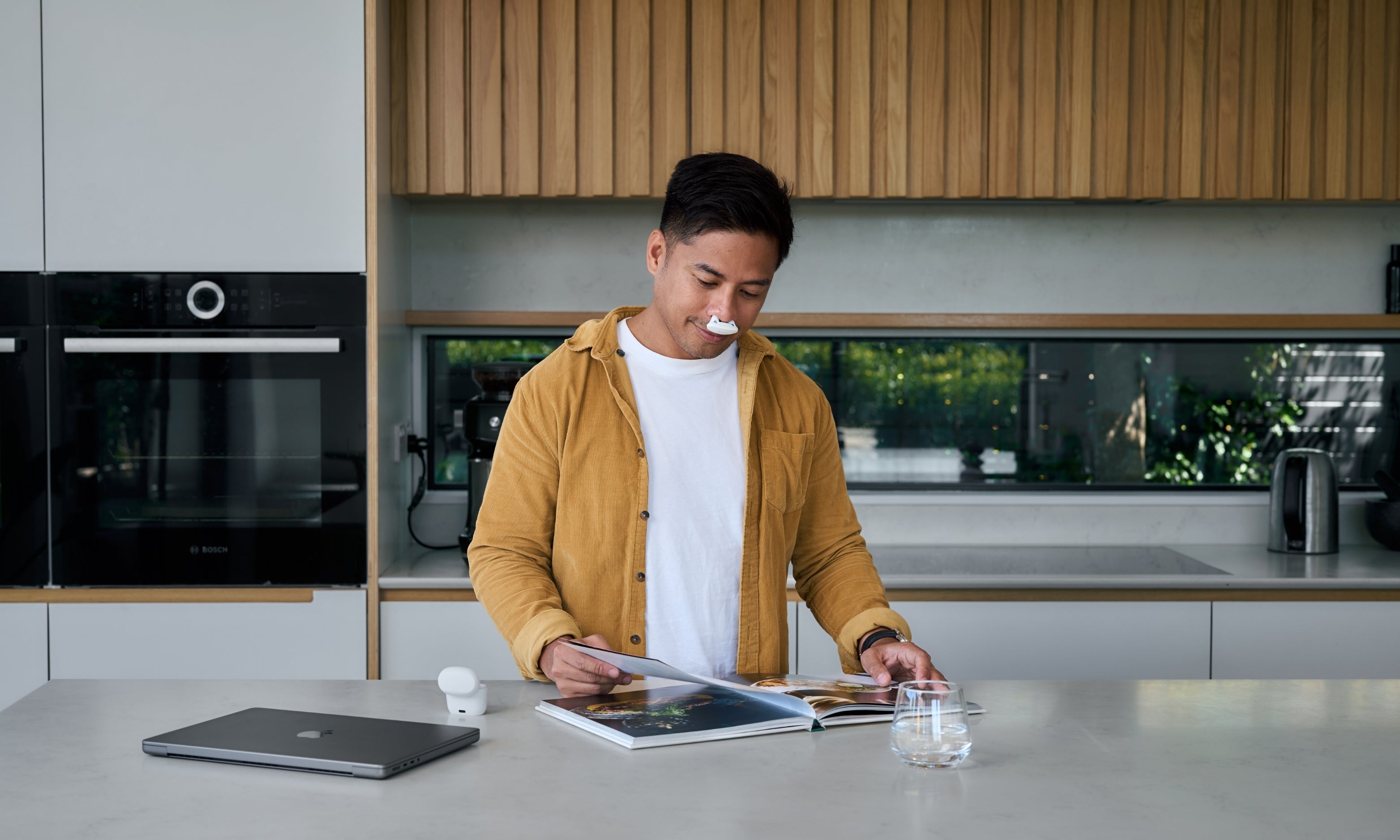
If a blocked or congested nose is one of your most frustrating allergy symptoms, there are also drug-free options, such as Goodair Nosebuds you can consider as part of your approach to managing nasal congestion.